Areas to Avoid in Dubai (2026): Tourist Safety Guide
A practical guide to areas in Dubai that tourists should be cautious about in 2026. Covers Deira, Al Satwa, International City, and where to stay for the best experience.
Key Takeaways
- ✓Dubai is one of the safest cities in the world for tourists, with extremely low violent crime rates
- ✓The main risks are being overcharged, traffic accidents, and heatstroke rather than crime
- ✓Older areas like Deira and Al Satwa are safe but less comfortable for tourists unfamiliar with them
- ✓Labour camps and industrial zones on the outskirts are best avoided entirely
- ✓Downtown Dubai, Dubai Marina, and JBR are the most tourist-friendly areas to stay
Ready to book your stay in Dubai?
Compare hundreds of hotels. Bundle with flights for extra savings.
How Safe Is Dubai for Tourists?
Dubai is statistically one of the safest cities in the world for visitors. The crime rate is remarkably low, surveillance is extensive, and the penalties for criminal behaviour are severe, which acts as a powerful deterrent. Violent crime against tourists is virtually unheard of.
The real risks in Dubai are not criminal. They are environmental (extreme heat from May to September), traffic-related (aggressive driving culture on the Sheikh Zayed Highway), and financial (inflated prices in tourist areas and hidden charges). The city also has strict laws around public behaviour, alcohol consumption, and dress codes that visitors must be aware of.
That said, Dubai is a city of stark contrasts. The glittering towers of Downtown and the Marina exist alongside older, more traditional neighbourhoods and vast industrial zones. Some areas are simply not set up for tourism and can feel unwelcoming or confusing for first-time visitors.
Deira: Authentic but Overwhelming
Deira is old Dubai. It sits across the Creek from Bur Dubai and is home to the Gold Souk, Spice Souk, and a maze of narrow streets filled with electronics shops, textile vendors, and money exchanges. It is fascinating to visit during the day but can feel overwhelming, especially for solo female travellers unfamiliar with the area.
The streets around Naif and Al Muteena have a reputation for being rougher than most of Dubai. Petty crime (bag snatching, overcharging by unlicensed taxis) is more common here than in newer parts of the city. The area is densely populated, primarily by male migrant workers, and the atmosphere after dark is noticeably different from the polished districts.
Budget hotels in Deira are significantly cheaper than in Dubai Marina or Downtown, but you get what you pay for. Many are older properties with minimal amenities, and the surrounding streets lack the restaurants, cafes, and walkability of more tourist-oriented areas.
Our advice: Visit Deira's souks during the day. Take an abra (water taxi) across the Creek for a great experience. But stay in a more modern district for your accommodation.
Al Satwa and Karama: Budget but Basic
Al Satwa and Al Karama are older residential and commercial districts sandwiched between the glitzy Downtown and the Creek. Karama is well known for its markets selling counterfeit goods (designer bags, watches, sunglasses), and touts will approach you repeatedly with "copy watch?" or "nice bag, sir?"
These areas are not unsafe. Crime is low by any global standard. But the accommodation is basic, the atmosphere is tired, and you will spend significant time in taxis getting to and from the attractions that most visitors come to Dubai for. The hotel prices are lower, but the taxi costs and reduced experience often negate the savings.
Al Satwa in particular has a mixed reputation. It is one of the oldest residential areas in modern Dubai, home to many long-term migrant worker communities. The restaurants here serve some of the most authentic South Asian and Filipino food in the city, but the urban environment is dated and not designed for tourist comfort.
Our advice: These areas are fine for budget-conscious travellers who know what to expect. First-time visitors to Dubai will have a much better experience staying in Dubai Marina, JBR, or Business Bay.
Get Weekly Travel Tips
Insider destination guides, deals, and travel tips every week.
No spam. Unsubscribe anytime.
International City: Too Far, Too Isolated
International City is a massive residential development on the outskirts of Dubai, near Dragon Mart. It was built as affordable housing and is home primarily to migrant worker communities. The architecture is themed by country (China cluster, England cluster, France cluster) but the reality is repetitive apartment blocks with minimal public infrastructure.
There is no reason for a tourist to stay here. It is 30 to 45 minutes by car from any major attraction, there is no metro connection, and the area has limited restaurants, no nightlife, and a completely residential character. Some booking sites list very cheap accommodation here, but the savings are false economies when you factor in transport costs.
Our advice: Skip International City entirely unless you are visiting Dragon Mart specifically (and even then, stay elsewhere and taxi in).
Industrial Zones and Labour Camps: Stay Away
Dubai has vast industrial zones (Al Quoz, Jebel Ali Free Zone, DIP) and labour accommodation areas that tourists should avoid entirely. These are not dangerous to drive through, but they have zero tourist infrastructure, and stopping in these areas can attract unwanted attention from security.
The labour camps in areas like Sonapur (officially called Muhaisnah) house tens of thousands of migrant workers in conditions that are well documented by human rights organisations. While there is no risk to tourists, these areas are depressing and uncomfortable to visit, and there is nothing to see or do.
Our advice: If your GPS routes you through an industrial zone, stay on the main roads and keep moving. Do not book accommodation anywhere listed as "Al Quoz," "DIP," or "Jebel Ali" unless it is a specific hotel in Al Quoz's arts district.
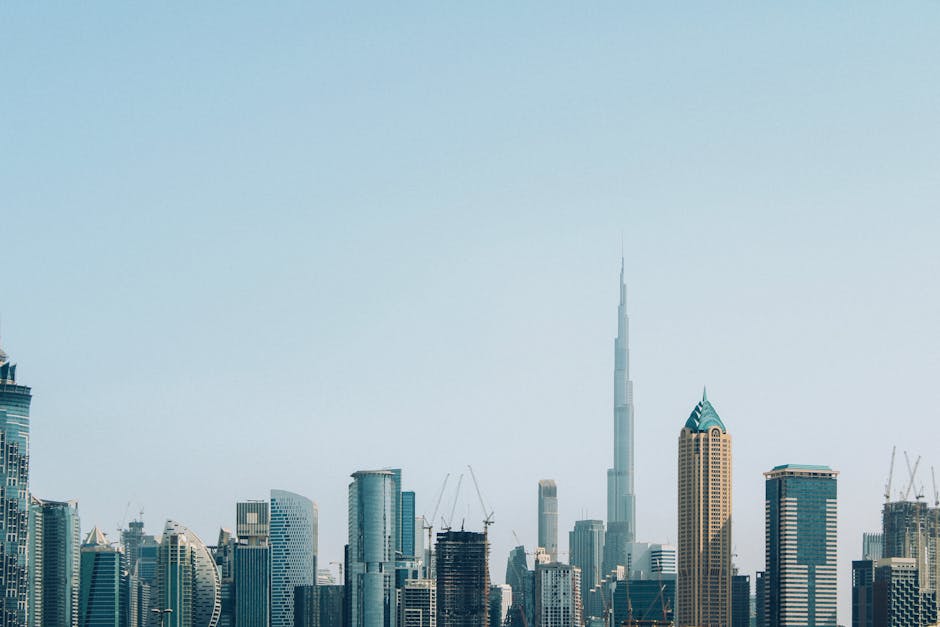
Dubai
Where to Stay in Dubai Instead
Dubai's tourist infrastructure is concentrated in a few key areas, all of which are safe, well-maintained, and well-connected:
- Downtown Dubai: Home to the Burj Khalifa, Dubai Mall, and the Dubai Fountain. The most iconic area with luxury and mid-range hotels. Walking is limited but taxis and the metro are convenient.
- Dubai Marina and JBR: The best area for a beach holiday combined with city life. The Marina Walk and JBR Beach Walk have restaurants, shops, and a lively evening atmosphere. Well connected by metro and tram.
- Business Bay: Adjacent to Downtown with newer hotels at lower prices. Excellent canal-side restaurants and walkways. Rapidly developing and great value for the location.
- Palm Jumeirah: For resort-style luxury. Isolated from the city but self-contained with its own restaurants and beach clubs. Best for relaxation rather than sightseeing.
- Bur Dubai (Al Fahidi area): The best area for cultural tourism. The Al Fahidi Historic District, Dubai Museum, and the Creek waterfront offer a glimpse of old Dubai without the rougher edges of Deira.
For a full breakdown of every area, explore our Dubai neighbourhood guide or check our Dubai areas-to-avoid page.
Laws and Etiquette: What Tourists Must Know
Dubai's legal system is significantly stricter than most Western countries. Understanding the rules before you arrive is essential:
- Alcohol: Legal in licensed venues (hotels, restaurants, bars) but illegal to drink in public or to be visibly drunk in public. Being arrested for public intoxication carries fines and potential jail time.
- Dress code: Beachwear is fine at the beach and pool. In malls, restaurants, and public spaces, cover your shoulders and knees. This applies especially at the Dubai Mall and in cultural areas. Fines are possible but warnings are more common.
- Photography: Do not photograph local Emirati women, military installations, government buildings, or accident scenes. This can result in arrest.
- PDA: Public displays of affection beyond hand-holding are technically illegal and can attract police attention, particularly outside tourist areas.
- Ramadan: During Ramadan (dates vary by year), eating, drinking, and smoking in public during daylight hours is prohibited. Hotels serve food behind screens, but be respectful in public spaces.
- Drugs: Zero tolerance. Even trace amounts of controlled substances (including some prescription medications) can result in prison sentences. Check that any medication you carry is legal in the UAE before travelling.
Find the perfect hotel for your trip
Compare prices across thousands of hotels on Expedia. Bundle with flights for extra savings.
Search Hotels on ExpediaWe earn a small commission if you book through this link, at no extra cost to you.
Explore These Destinations
Frequently Asked Questions
Is Dubai safe for tourists?
Is Deira safe in Dubai?
Where is the safest area to stay in Dubai?
Can you drink alcohol in Dubai?
Is Dubai safe for solo female travellers?
Book tours and experiences worldwide
Skip-the-line tickets, guided tours, and unique experiences in hundreds of cities.
Browse Tours on GetYourGuideWe earn a small commission if you book through this link, at no extra cost to you.