Areas to Avoid in Paris: Tourist Safety Guide by Arrondissement (2026)
Honest guide to the areas and arrondissements to avoid in Paris in 2026. Covers the northern suburbs, Gare du Nord, Chatelet, and the safest areas to stay.
Key Takeaways
- ✓Central Paris (1st through 7th arrondissements) is very safe for tourists, day and night
- ✓The areas around Gare du Nord (10th), Chateau Rouge (18th), and Stalingrad (19th) are the least comfortable for visitors
- ✓The northern suburbs (Seine-Saint-Denis / 93 department) are best avoided entirely by tourists
- ✓Pickpocketing is concentrated around the Eiffel Tower, Sacre-Coeur, the metro, and the RER B line
- ✓The Marais, Saint-Germain, and the 5th arrondissement are among the safest and most enjoyable areas to stay
Ready to book your stay in Paris?
Compare hundreds of hotels. Bundle with flights for extra savings.
How Safe Is Paris for Tourists in 2026?
Paris is the most visited city in the world, welcoming over 30 million tourists annually. Central Paris is well policed, well lit, and the vast majority of visitors experience no crime whatsoever. The French National Police and the Paris Prefecture maintain heavy security around major landmarks, transport hubs, and tourist areas.
The challenges are familiar: pickpocketing at crowded tourist sites and on public transport, overcharging in restaurants near landmarks, and scams targeting disoriented tourists. Paris also has a more visible homelessness problem than many comparable European capitals, particularly around metro stations and underpasses, which can make some areas feel less comfortable.
Understanding the arrondissement system is key to navigating Paris safely. The city is divided into 20 numbered districts (arrondissements) arranged in a spiral from the centre. Generally, the lower numbers (1st through 7th) are the safest and most expensive. The outer arrondissements (18th, 19th, 20th) and the northern suburbs beyond the Peripherique ring road have higher crime rates and fewer reasons for tourists to visit.
Gare du Nord and the 10th Arrondissement: Busy and Unpolished
Gare du Nord is Paris's busiest railway station and the arrival point for Eurostar trains from London, Thalys from Brussels, and regional services. The station is being renovated for the 2024 Olympic legacy and is functional but chaotic. The streets immediately north and east of the station are the most complained-about area in tourist Paris.
Rue de Dunkerque and Rue du Faubourg Saint-Denis north of the station have persistent problems with street dealers, aggressive panhandlers, and general disorder. The area around the junction of Boulevard de la Chapelle and Boulevard Barbes (technically the border of the 10th and 18th arrondissements) is Paris's most visible open-air market for counterfeit goods and has a tense atmosphere.
The eastern part of the 10th (Canal Saint-Martin) is a completely different story. The canal area is trendy, safe, and popular with young Parisians. Excellent restaurants, independent boutiques, and a relaxed atmosphere. Do not write off the entire arrondissement based on the Gare du Nord experience.
Our advice: Pass through Gare du Nord quickly and take a metro or taxi to your accommodation. The Canal Saint-Martin area is fine for accommodation, but avoid booking on the streets between Gare du Nord and Gare de l'Est.
The 18th Arrondissement: Montmartre vs Chateau Rouge
The 18th arrondissement is a tale of two neighbourhoods. Montmartre (the southern and western portion) is one of Paris's most charming areas, with the Sacre-Coeur basilica, Place du Tertre, vineyards, and cobbled streets. It is safe, atmospheric, and perpetually busy with tourists.
The northern and eastern parts of the 18th are very different. Chateau Rouge, Goutte d'Or, and the area around Barbes-Rochechouart metro station have a rougher atmosphere. These neighbourhoods are home to large African and North African communities and feature vibrant markets and excellent food, but the streets can feel chaotic and uncomfortable for tourists unfamiliar with them.
The Marche Dejean in Chateau Rouge is a fascinating African market worth visiting during the day. But the surrounding streets have higher rates of petty crime, drug dealing, and aggressive street selling. At night, the atmosphere deteriorates significantly.
Our advice: Visit Montmartre (go early to avoid crowds at Sacre-Coeur). The area around Abbesses metro is lovely for restaurants and accommodation. Chateau Rouge and Barbes are interesting to explore during the day but not recommended for accommodation.
Get Weekly Travel Tips
Insider destination guides, deals, and travel tips every week.
No spam. Unsubscribe anytime.
The 19th and 20th Arrondissements: Far from the Action
The 19th and 20th arrondissements are on the northeastern edge of Paris. They are residential, multicultural, and increasingly gentrifying, but they remain off the tourist trail and have limited visitor infrastructure.
The area around Stalingrad and Jaures metro stations (19th) has been a persistent problem zone. Crack cocaine use is visible around the canal area here, and the police regularly clear encampments. The Parc des Buttes-Chaumont is beautiful and safe, but the streets leading to it from the metro are less pleasant.
Belleville (spanning the 19th and 20th) is a genuinely interesting neighbourhood with excellent Chinese, Vietnamese, and North African food. It is gentrifying rapidly and is popular with younger Parisians who cannot afford the central arrondissements. Safety is generally fine during the day but the area lacks the polished feel of central Paris.
Pere Lachaise (20th) is worth visiting for the famous cemetery, but there is no strong reason to stay in these arrondissements. Transport time to central Paris is 20 to 30 minutes by metro, and the savings on hotel prices are modest compared to areas like the 11th or the Marais.
Our advice: Visit Belleville for food and Pere Lachaise for culture, but stay in a more central arrondissement. The 19th and 20th offer little advantage over the 5th, 11th, or 6th for price-conscious visitors.
Seine-Saint-Denis (93): Stay in Paris Proper
The department of Seine-Saint-Denis (known as "the 93"), immediately north of Paris beyond the Peripherique ring road, includes towns like Saint-Denis, Aubervilliers, and Bobigny. This area has significantly higher crime rates than central Paris and essentially no tourist infrastructure.
The Stade de France is in Saint-Denis, and visitors attending events there should go directly to the stadium and return to central Paris afterwards. The streets around the stadium are not pleasant for wandering, particularly after dark.
The RER B train (connecting Charles de Gaulle Airport to central Paris) passes through several 93 stations. Stay on the train and keep your belongings secure. Theft on the RER B, particularly between the airport and Gare du Nord, is a well-documented problem.
Our advice: There is no reason for a tourist to stay in or visit Seine-Saint-Denis unless attending a specific event at the Stade de France. Stay in Paris proper.
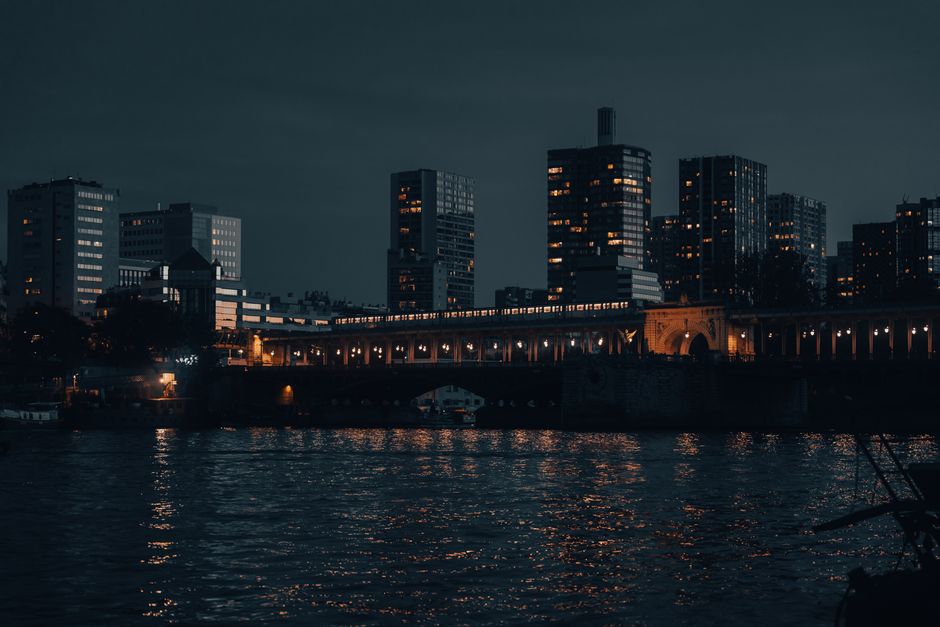
Paris
Where to Stay in Paris: Safest Arrondissements
Paris has an excellent range of safe, atmospheric neighbourhoods for every budget:
- Le Marais (3rd and 4th): Paris's most walkable neighbourhood. Historic Jewish quarter, LGBTQ+ friendly, excellent shopping and dining, and a lively evening atmosphere. Hotels range from boutique to luxury. Very safe at all hours.
- Saint-Germain-des-Pres (6th): The literary Left Bank. Elegant streets, independent bookshops, the Luxembourg Gardens, and a refined dining scene. More expensive but worth it for the atmosphere. One of the safest areas in Paris.
- Latin Quarter (5th): Student energy meets historic charm. The Pantheon, the Sorbonne, and narrow streets full of affordable restaurants. Excellent value for central Paris. Safe and well connected.
- Bastille and Oberkampf (11th): Paris's best nightlife district, but also excellent for daytime exploring. The Marche d'Aligre is a wonderful morning market. Hotels are more affordable than the central arrondissements, and the area is safe and very well connected.
- The 7th Arrondissement: Home to the Eiffel Tower, Musee d'Orsay, and Rue Cler market street. Elegant, quiet, and extremely safe. Accommodation is expensive but the area is perfect for families and first-time visitors who want a polished Paris experience.
For a full neighbourhood breakdown with safety scores and cost data, explore our Paris neighbourhood guide or check our Paris areas-to-avoid page.
Practical Safety Tips for Paris
Paris is a safe city for alert travellers. These tips will help you avoid the most common problems:
- Beware the RER B from CDG airport. This train is the cheapest option from Charles de Gaulle but has the highest theft rate of any Paris transport line. Keep bags on your lap, phone in your pocket, and stay alert between the airport and Gare du Nord. Consider the Roissybus or a taxi if arriving late.
- The petition scam is everywhere. Groups of people (often young women) approach with clipboards near the Eiffel Tower, Sacre-Coeur, and the Louvre. While you read the petition, an accomplice picks your pocket. Walk past without stopping.
- Gold ring scam. Someone "finds" a gold ring on the ground near you and offers to share the value. It is a brass ring worth nothing, and the scam ends with them asking for money. Decline and walk away.
- Restaurant prix fixe menus. Tourist restaurants near landmarks offer prix fixe menus that look like bargains but include mediocre food and hidden drink charges. Check Google reviews before sitting down, and always confirm prices before ordering.
- Use the Metro wisely. Buy a Navigo Easy card or use contactless payment rather than handling cash at ticket machines. Keep bags zipped in front of you, especially on Line 1, Line 4, and Line 12. Avoid carriages directly behind the driver late at night.
Search any city in the world using our destination search tool for neighbourhood-level safety and cost data.
Find the perfect hotel for your trip
Compare prices across thousands of hotels on Expedia. Bundle with flights for extra savings.
Search Hotels on ExpediaWe earn a small commission if you book through this link, at no extra cost to you.
Explore These Destinations
Frequently Asked Questions
Is Paris safe for tourists in 2026?
Which arrondissements should tourists avoid in Paris?
Is Montmartre safe?
Is the Paris Metro safe?
Where is the safest area to stay in Paris?
Book tours and experiences worldwide
Skip-the-line tickets, guided tours, and unique experiences in hundreds of cities.
Browse Tours on GetYourGuideWe earn a small commission if you book through this link, at no extra cost to you.