Where to Stay in Tokyo (2026): Area Guide for First-Time Visitors
The best areas to stay in Tokyo for first-time visitors. Covers Shinjuku, Shibuya, Asakusa, Ginza, Roppongi, and more with budget tips and honest neighbourhood reviews.
Key Takeaways
- ✓Shinjuku is the most practical base for first-time visitors, with the best transport hub and every price range covered
- ✓Shibuya suits younger travellers who want nightlife, shopping, and trendy dining
- ✓Asakusa gives you traditional Tokyo with temples, markets, and affordable accommodation
- ✓Tokyo's metro is so efficient that your neighbourhood matters less than in European cities
- ✓Budget travellers should consider capsule hotels (from £20/night) or business hotels in Ikebukuro or Ueno
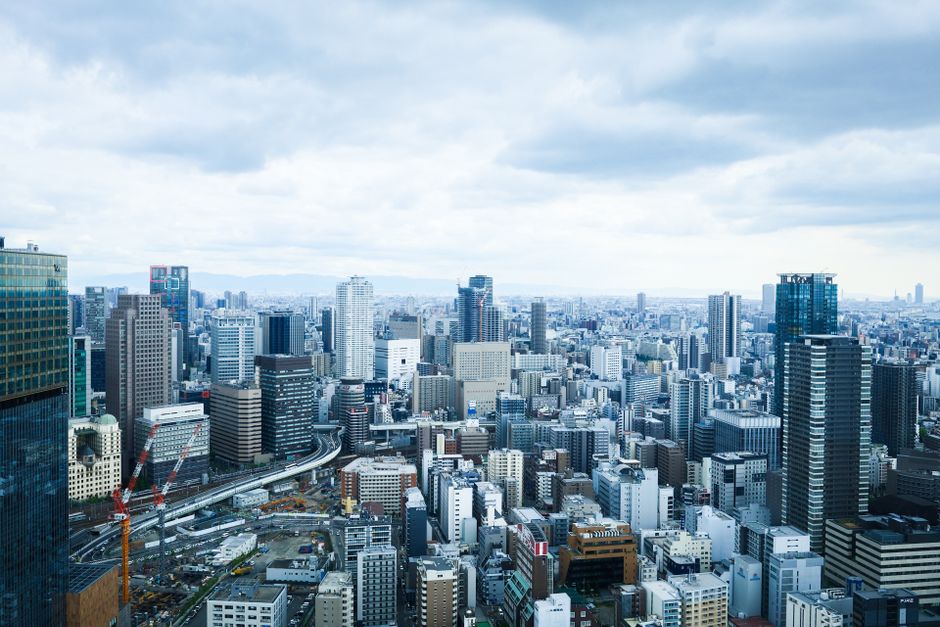
Tokyo
Shinjuku: The Practical Powerhouse
Shinjuku is where most travel guides recommend first-time visitors stay, and the advice is sound. Shinjuku Station is the busiest railway station in the world, connecting you to almost every other part of Tokyo (and beyond, via the Chuo and JR Yamanote lines). The neighbourhood also has the widest range of accommodation in the city, from capsule hotels at £20 per night to the Park Hyatt Tokyo (made famous by Lost in Translation) at £500+.
The area divides into distinct zones. West Shinjuku is dominated by high-rise hotels and the Tokyo Metropolitan Government Building, which has free observation decks with panoramic city views. East Shinjuku is where the action is: Kabukicho (the entertainment district), Golden Gai (tiny bars crammed into six narrow alleys), and Omoide Yokocho (a smoky alley of yakitori stalls). South Shinjuku around the station's south exit has Takashimaya Times Square and quieter streets.
Mid-range hotels in Shinjuku run £60 to £150 per night. Excellent business hotels like the Keio Plaza or Hilton Tokyo are in the £100 to £200 range. Budget travellers have dozens of options: capsule hotels, business hotels, and hostels are plentiful, especially around the east exit.
The downsides: Shinjuku Station is genuinely confusing, even for frequent visitors. The east side (Kabukicho) can feel overwhelming at night with neon lights and touts for bars and restaurants. And the sheer size of the area means "near Shinjuku" can mean anything from a 2-minute to a 20-minute walk from the station.
Best for: First-time visitors, transport convenience, solo travellers, anyone wanting the widest choice of hotels and restaurants.
Tokyo
Shibuya: Youth Culture and the Famous Crossing
Shibuya is Tokyo's youth culture epicentre. The famous scramble crossing, Shibuya 109 department store, and the streets of Udagawacho and Dogenzaka define the area's energy: fast, fashion-forward, and relentlessly modern. Since the opening of Shibuya Stream and Scramble Square, the neighbourhood has added upscale dining and office space to its youthful core.
Staying in Shibuya puts you on the JR Yamanote line with easy access to Shinjuku (5 minutes), Harajuku (2 minutes), and the rest of the loop. The area has good mid-range hotels, particularly the Shibuya Stream Excel Hotel Tokyu and the Sequence Miyashita Park. Prices run £80 to £200 per night for well-reviewed options.
The neighbourhood is at its best in the evening when the neon lights reflect off the wet streets and the energy of the crossing reaches its peak. During the day, the immediate area around the station is more commercial than charming. For a quieter experience, look for hotels slightly further from the station, towards Ebisu or Daikanyama, which are walking distance but much calmer.
Best for: Young travellers, shoppers, nightlife lovers, anyone wanting an iconic Tokyo experience on their doorstep.
Tokyo
Asakusa: Traditional Tokyo at Its Best
Asakusa is the area to stay if you want traditional Tokyo. Senso-ji, the city's oldest temple, anchors the neighbourhood, and the surrounding streets are lined with traditional shops selling everything from rice crackers to hand-crafted chopsticks. Nakamise-dori (the approach to the temple) is touristy during the day but atmospheric in the early morning before the crowds arrive.
Accommodation in Asakusa is significantly more affordable than in Shinjuku or Shibuya. Good ryokan (traditional Japanese inns) start from £50 per night and offer futon sleeping, communal baths, and a genuinely Japanese experience that modern hotels cannot replicate. Western-style hotels run £40 to £120 per night.
The neighbourhood's charm extends beyond the temple. The Sumida River waterfront has been beautifully developed, with views of the Tokyo Skytree across the water. Kappabashi-dori (Kitchen Town) is a fascinating street of shops selling restaurant supplies, including the realistic plastic food samples displayed outside Japanese restaurants.
The downside is that Asakusa is on the eastern edge of central Tokyo, a 30 to 40 minute metro ride from Shinjuku and Shibuya. It is also quieter at night than the western neighbourhoods. But for atmosphere, affordability, and a window into traditional Japan, Asakusa is hard to beat.
Best for: Culture seekers, budget travellers, ryokan enthusiasts, visitors wanting traditional atmosphere, photographers.
Get the Full Tokyo Guide
Neighbourhood picks, hidden gems, and deals for Tokyo straight to your inbox.
No spam. Unsubscribe anytime.
Tokyo
Ginza: Luxury Shopping and Fine Dining
Ginza is Tokyo's equivalent of Bond Street or Fifth Avenue: wide boulevards, flagship department stores (Mitsukoshi, Wako, Ginza Six), and some of the finest restaurants in the world. This is where Tokyo's wealthy residents shop and dine, and the area has a polished, sophisticated energy that contrasts sharply with the chaos of Shinjuku or the youth culture of Shibuya.
Hotels in Ginza tend to be high-end. The Aman Tokyo, Mandarin Oriental, and Peninsula Tokyo are all nearby. Mid-range options exist, particularly business hotels from chains like Mitsui Garden or Tokyu Stay, running £80 to £160 per night. The area is well connected, with multiple metro lines and a short walk to Tokyo Station for bullet trains.
Ginza is best for travellers who appreciate quality over quantity. The neighbourhood has exceptional sushi restaurants (several Michelin-starred), department store food halls (depachika) that are attractions in themselves, and a general sense of refinement. It is quieter and more orderly than most other central Tokyo areas.
Best for: Luxury travellers, food connoisseurs, shoppers, business visitors, couples wanting a sophisticated base.
Skip if: You want vibrant nightlife, are on a tight budget, or prefer neighbourhood character over polish.
Tokyo
Ueno and Ikebukuro: Budget-Friendly Bases
Ueno and Ikebukuro are not the most glamorous Tokyo neighbourhoods, but they offer excellent value for budget-conscious travellers. Ueno has a major park (with the Tokyo National Museum, zoo, and several other museums), a busy market street (Ameyoko), and a wide selection of budget hotels from £30 to £80 per night. It is also on the JR Yamanote line with easy connections everywhere.
Ikebukuro, in northwest Tokyo, is a major commercial hub with two huge department stores (Seibu and Tobu), a lively Chinatown, and Sunshine City entertainment complex. Budget hotels here run £35 to £90 per night, and the neighbourhood has a grittier, more authentic feel than the polished commercial districts. It is particularly popular with anime and manga fans, with several dedicated shops.
Neither neighbourhood will feature on Instagram highlight reels, but both put you on the Yamanote line with fast, frequent connections to every other major area. If you plan to spend most of your time exploring the city rather than hanging around your hotel, the savings are substantial.
Best for: Budget travellers, museum lovers (Ueno), anime fans (Ikebukuro), anyone who prioritises savings over neighbourhood atmosphere.
Practical Tips for Choosing Your Tokyo Base
Tokyo's metro system is so efficient that your neighbourhood choice matters less than in European cities. A hotel 20 minutes from a sight is still just 20 minutes away, with trains running every 2 to 3 minutes. That said, here are some practical considerations:
- Get a Suica or Pasmo card immediately at the airport. These rechargeable IC cards work on all trains, metros, and buses, and save the hassle of buying individual tickets.
- Check your hotel's nearest station carefully. "Near Shinjuku" could mean anywhere within a 20-minute walk of the station. Look for hotels within 5 minutes of a station on foot.
- Consider capsule hotels for at least one night, even if they are not your usual style. Modern capsule hotels like Nine Hours or The Millennials are clean, well-designed, and a genuinely unique experience from around £20 per night.
- Book ryokan stays in Asakusa for a traditional night. Even if you base yourself in Shinjuku for most of your trip, one night on futons with communal baths is part of the Tokyo experience.
- Avoid staying near Roppongi unless nightlife is your primary goal. The area around Roppongi Crossing can feel sleazy at night with aggressive bar touts.
Plan Your Tokyo Stay
Tokyo's size can be overwhelming, but picking the right neighbourhood makes everything click. Explore our full Tokyo neighbourhood guide for detailed area ratings, safety scores, transport connections, and cost breakdowns.
Comparing Asian destinations? Search any of our 1,288 city guides to plan your route.
Find the perfect hotel for your trip
Compare prices across thousands of hotels on Expedia. Bundle with flights for extra savings.
Search Hotels on ExpediaWe earn a small commission if you book through this link, at no extra cost to you.
Explore These Destinations
Tokyo
Full neighbourhood guide with safety and cost data
Osaka
Japan's street food capital, easy bullet train from Tokyo
Kyoto
Traditional temples and gardens, 2 hours from Tokyo
Seoul
Another massive Asian capital with distinct neighbourhoods
Bangkok
Southeast Asian hub with incredible food and affordable stays
Frequently Asked Questions
What is the best area to stay in Tokyo for first-time visitors?
Where is the cheapest area to stay in Tokyo?
Is it worth staying in a capsule hotel in Tokyo?
Should I stay in Shinjuku or Shibuya in Tokyo?
How far in advance should I book hotels in Tokyo?
Book tours and experiences worldwide
Skip-the-line tickets, guided tours, and unique experiences in hundreds of cities.
Browse Tours on GetYourGuideWe earn a small commission if you book through this link, at no extra cost to you.