Where to Stay in Calabar
Nigeria
|Pop. 540K
|3 neighbourhoods covered
|Updated March 2026
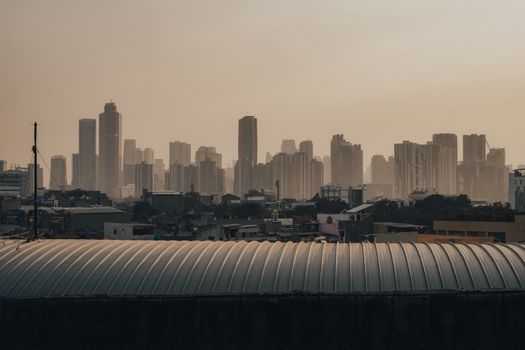
Photo: Sven Pieren / Unsplash
Quick Answer: Best Area to Stay
For most visitors, Calabar South is the best neighbourhood to stay in Calabar. The bustling heart of the city, offering a mix of commercial activity and residential life. Ideal for first-timers, foodies, budget. Budget travellers can get by on NGN 15000/day.
Areas to Avoid in Calabar
Safety rated "Moderate". See which areas need extra caution and where to stay instead.
Best Neighbourhoods at a Glance
| Neighbourhood | Vibe | Budget | Best For | Safety |
|---|---|---|---|---|
| Calabar South | The bustling heart of the city, offering a mix of commercial activity and residential life. | Mid-range | first-timers, foodies | Exercise caution, especially at night; s... |
| Big Tree Avenue | A more upscale and residential area known for its greenery and quieter streets. | Luxury | families, couples | Generally safe, but standard precautions... |
| Creek Town | A historic area with colonial influences, offering a glimpse into the city's past. | Budget | culture, history buffs | Relatively safe during the day, but it's... |
Calabar South
Mid-rangeThe bustling heart of the city, offering a mix of commercial activity and residential life.
Exercise caution, especially at night; stay aware of your surroundings and avoid...
Big Tree Avenue
LuxuryA more upscale and residential area known for its greenery and quieter streets.
Generally safe, but standard precautions against petty theft should still be tak...
Creek Town
BudgetA historic area with colonial influences, offering a glimpse into the city's past.
Relatively safe during the day, but it's advisable to be with a local guide and ...
Top 3 Areas to Stay in Calabar
Liveliest areas for nightlife, culture, and entertainment

Creek Town
A historic area with colonial influences, offering a glimpse into the city's past.
Our top picks in Creek Town

Calabar South
The bustling heart of the city, offering a mix of commercial activity and residential life.
Our top picks in Calabar South

Big Tree Avenue
A more upscale and residential area known for its greenery and quieter streets.
Our top picks in Big Tree Avenue
We earn a small commission if you book through these links, at no extra cost to you.
Things to Do in Calabar
Popular tours, activities, and experiences you can book in advance
 🚶
🚶Walking Tour
Explore the city on foot with a local guide
 🍽️
🍽️Food Tour
Taste the best local dishes and street food
 🚐
🚐Day Trip
Discover stunning destinations just outside the city
 🏛️
🏛️Museum & Culture
Skip-the-line access to top museums and galleries
 🚌
🚌Hop-on Hop-off Bus
See all the highlights from an open-top bus
 ⛵
⛵Boat Tour
See the city skyline from the water
 👨🍳
👨🍳Cooking Class
Learn to cook authentic local recipes
 🌙
🌙Night Tour
Experience the city after dark with a guided tour
We earn a small commission if you book through these links, at no extra cost to you. This helps us keep FindYourStay free.
Calabar at a Glance
4 categories
Top Tips for Calabar
Things to know before you go
Local Tip
Explore the local street food scene, especially around the Calabar South area, but ensure it's from busy stalls where food is cooked fresh.
Getting Around
Always agree on the fare with Keke or taxi drivers before starting your journey.
Watch Out For
Overpriced taxi/keke fares if fare is not agreed upon beforehand.
Solo Female Travel
Exercise a higher degree of caution. Avoid walking alone at night, especially in less populated areas. Dress modestly to avoid unwanted attention. Be aware of your surroundings at all times.
Hidden Gems in Calabar
Lesser-known spots the locals love
Marina Resort
This sprawling resort offers a refreshing escape with its serene beachfront, lush gardens, and recreational facilities. It's a perfect spot for a relaxed afternoon stroll or a family picnic by the water.
Calabar Museum
Delve into the rich history and cultural heritage of Calabar and its surrounding regions at this fascinating museum. It houses an impressive collection of artifacts, traditional crafts, and historical documents.
Duke Town
FREEWander through the historic streets of Duke Town, where colonial architecture stands alongside vibrant local life. It's a great area to experience the authentic rhythm of the city and discover local markets.
Millennium Park
FREEA beautifully landscaped urban park perfect for a leisurely walk or some quiet contemplation. It's a popular spot for locals to unwind, exercise, and enjoy the greenery away from the city bustle.
Old Residency Museum
Explore the colonial past of Calabar in this historic building that once served as the residence of British colonial administrators. The museum offers a glimpse into the administrative and social history of the region.
Unical Botanical Garden
FREEDiscover a diverse collection of plant species in this tranquil botanical garden, located within the University of Calabar campus. It’s an ideal place for nature lovers and those seeking a peaceful retreat.
Things to Do in Calabar
Popular tours, activities, and experiences you can book in advance
🚶Walking Tour
Explore the city on foot with a local guide
🍽️Food Tour
Taste the best local dishes and street food
🚐Day Trip
Discover stunning destinations just outside the city
🏛️Museum & Culture
Skip-the-line access to top museums and galleries
🚌Hop-on Hop-off Bus
See all the highlights from an open-top bus
⛵Boat Tour
See the city skyline from the water
👨🍳Cooking Class
Learn to cook authentic local recipes
🌙Night Tour
Experience the city after dark with a guided tour
We earn a small commission if you book through these links, at no extra cost to you. This helps us keep FindYourStay free.
Top-rated Calabar tours and activities
Skip-the-line tickets, guided walking tours, food experiences, and day trips. Reserve now, pay later; free cancellation up to 24 hours before.
We earn a small commission if you book through this link, at no extra cost to you.
What It Costs in Calabar
Daily budget per person in NGN
💡One of the cheapest destinations worldwide
NGN 15000/day
NGN 40000/day
NGN 100000/day
Where to Stay in Calabar
Honest neighborhood guide: where to stay and where to avoid
Best for
Walk to
- Calabar Central Market10 min
- Calabar Museum15 min
Pros
- +Central location with easy access to attractions
- +Abundant local food options
- +Vibrant local atmosphere
Cons
- -Can be crowded and noisy
- -Infrastructure can be basic in some areas
Best for
Walk to
- Millennium Park20 min
- Calabar International Convention Centre25 min
Pros
- +More peaceful and cleaner environment
- +Better quality accommodation options
- +Closer to some government and cultural institutions
Cons
- -Fewer immediate local eateries
- -Can feel less authentically 'local' than Calabar South
Best for
Walk to
- Old Residency Museum15 min
- Mary Slessor Statue20 min
Pros
- +Rich historical significance
- +Unique architectural sites
- +Quieter and more contemplative atmosphere
Cons
- -Limited dining and shopping options
- -May require transport to reach other parts of the city
Areas to be cautious
- Areas immediately adjacent to the main commercial market after closing hours: These areas can become less secure and prone to petty crime once the crowds disperse and lighting is poor.
- Isolated or poorly lit streets in any neighborhood after dark: Lack of consistent lighting and pedestrian traffic increases the risk of opportunistic crime.
Insider tip: Explore the local street food scene, especially around the Calabar South area, but ensure it's from busy stalls where food is cooked fresh.
Where to Stay in Calabar
Compare hotel deals across the best neighbourhoods on Expedia.
Stay in Calabar South
The bustling heart of the city, offering a mix of commercial activity and residential life.
Stay in Big Tree Avenue
A more upscale and residential area known for its greenery and quieter streets.
Stay in Creek Town
A historic area with colonial influences, offering a glimpse into the city's past.
We earn a small commission if you book through these links, at no extra cost to you. This helps us keep FindYourStay free.
Places to Stay in Calabar
Be the first to list your property in Calabar. Reach thousands of travellers looking for accommodation, with no commissions.
List Your PropertySafety in Calabar
ModerateSolo Female Travel
Exercise a higher degree of caution. Avoid walking alone at night, especially in less populated areas. Dress modestly to avoid unwanted attention. Be aware of your surroundings at all times.
At Night
Street lighting can be inconsistent. Stick to well-populated and lit areas, preferably with trusted local contacts or using reputable ride-sharing services. Avoid displaying phones or valuables openly.
Emergency
112 (General Emergency Number)
Common Scams to Watch For
- 1Overpriced taxi/keke fares if fare is not agreed upon beforehand.
- 2Distraction theft (e.g., someone bumps into you while another picks your pocket).
- 3Fake 'guides' offering unsolicited tours.
Compare hotel deals in Calabar
See today's prices across hundreds of hotels. Free cancellation on most bookings, so you can lock in a great rate risk-free.
We earn a small commission if you book through this link, at no extra cost to you.
Travel Insurance for Calabar
SafetyWing Nomad Insurance. Medical cover from $45/month, designed for travellers. 10% back if unused.
Stay Connected in Nigeria
Skip expensive roaming. Get an eSIM for Nigeria and have data the moment you land.
Get an eSIMGetting Around Calabar
Transport, connectivity, and costs
✈️
Airport to City
Taxis are the primary option. Expect to pay NGN 10,000-20,000 for the ~45-60 minute ride to the city center, depending on negotiation.
🎫
Day Pass
Not applicable for the local transport system.
Single: Keke rides within neighborhoods typically cost NGN 200-500. Longer distances or shared taxis might be NGN 500-1500.
🚶
Walkability
Good TransitBolt
📶
WiFi
Fair10-25 Mbps in cafes/hotels
Public Transport
Keke-NAPEP (auto-rickshaws) are ubiquitous for short to medium distances. Taxis (private cars) are also available. Minibuses (danfo) operate on fixed routes but can be crowded.
Ride-share
Apps like Bolt operate in Calabar. A typical ride within the city can cost NGN 2,000-5,000.
Transport Tip
Always agree on the fare with Keke or taxi drivers before starting your journey.
WiFi & Remote Work
Free WiFi
Many hotels offer free Wi-Fi to guests. Some cafes and restaurants may provide it with a purchase.
Coworking
Limited dedicated coworking spaces; often best to rely on hotel business centers or cafes. Some serviced apartments might offer workspace.
Rent a Car in Calabar
Compare prices from top rental companies. Free cancellation on most bookings.
We earn a small commission if you book through this link, at no extra cost to you.
Weather & Best Time to Visit
Best months to visit: Jan, Feb, Dec
Plan Your Perfect Calabar Trip
Tell us what you love and we'll build a personalised day-by-day itinerary with the best spots, tours, and hotels. Completely free.
Hotels & Accommodation in Calabar
Browse and compare hotels, apartments, and hostels on the interactive map below.
Powered by Stay22. We may earn a commission from bookings made through this map.
Ready to book in Calabar?
Compare prices across thousands of hotels on Expedia. Bundle with flights for extra savings.
We earn a small commission if you book through this link, at no extra cost to you.
Found your hotel in Calabar?
We search 30+ sites including members-only platforms like Secret Escapes and Voyage Privé. Most people save 14-23%.
Compare hotel deals in Calabar
Search thousands of hotels on Expedia. Bundle with flights for extra savings.
We earn a small commission if you book through this link, at no extra cost to you.
Who Is Calabar Best For?
Matched recommendations for different traveller types
Budget Backpackers
Offers the most affordable accommodation and food options, with easy access to local life and markets.
Culture Enthusiasts
Provides a direct link to Calabar's historical past with its colonial architecture and museums.
Families
This area offers a quieter, more residential environment with better infrastructure and access to parks.
Foodies
This is the epicenter for experiencing authentic Nigerian cuisine and local street food flavors.
Solo Travelers
Provides a central base with opportunities to interact with locals and other travelers, though requires vigilance.
About Calabar
Calabar (also referred to as Callabar, Calabari, Calbari, Cali and Kalabar) is the capital city of Cross River State, Nigeria. It was originally named Akwa Akpa, in the Efik language, as the Efik people dominate this area. The city is adjacent to the Calabar and Great Kwa rivers, and the creeks of the Cross River (from its inland delta).
Frequently Asked Questions About Calabar
Is Calabar safe for tourists?
What is the average hotel price in Calabar?
What area should I stay in Calabar?
When is the best time to visit Calabar?
How do I get around Calabar?
Get the Full Calabar Guide
Neighbourhood picks, hidden gems, and deals for Calabar straight to your inbox.
No spam. Unsubscribe anytime.
Calabar Guides by Traveller Type
Tailored neighborhood picks for how you travel