Where to Stay in Ōta
Japan
|Pop. 748K
|3 neighbourhoods covered
|Updated March 2026
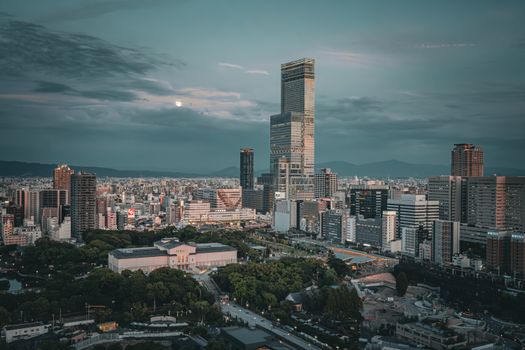
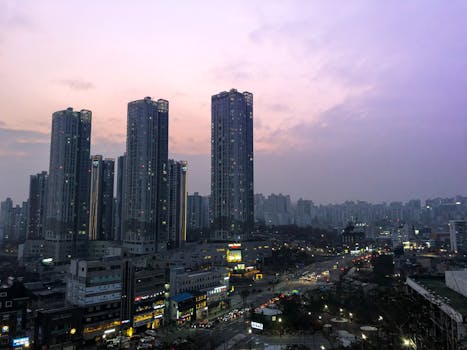
Photo: Avel Chuklanov / Unsplash
Quick Answer: Best Area to Stay
For most visitors, Ota Station Area is the best neighbourhood to stay in Ōta. The bustling commercial and transport hub of Ota, offering convenient access to amenities and services. Ideal for first-timers, solo travelers, budget. Budget travellers can get by on JPY 6000/day.
Areas to Avoid in Ōta
Safety rated "very safe". See which areas need extra caution and where to stay instead.
Best Neighbourhoods at a Glance
| Neighbourhood | Vibe | Budget | Best For | Safety |
|---|---|---|---|---|
| Ota Station Area | The bustling commercial and transport hub of Ota, offering convenient access to amenities and services. | Mid-range | first-timers, solo travelers | Generally safe during the day, but exerc... |
| Kiryu Station Area | A historic textile city center with traditional charm and a growing modern pulse. | Mid-range | culture, foodies | Very safe day and night; the area is gen... |
| Ashikaga Station Area | Known for its stunning wisteria flowers and historical sake breweries, offering a more relaxed pace. | Mid-range | couples, culture | Extremely safe in both day and night; th... |
Ota Station Area
Mid-rangeThe bustling commercial and transport hub of Ota, offering convenient access to amenities and services.
Generally safe during the day, but exercise caution with personal belongings in ...
Kiryu Station Area
Mid-rangeA historic textile city center with traditional charm and a growing modern pulse.
Very safe day and night; the area is generally quiet with low crime rates.
Ashikaga Station Area
Mid-rangeKnown for its stunning wisteria flowers and historical sake breweries, offering a more relaxed pace.
Extremely safe in both day and night; the area is known for its tranquility and ...
Top 3 Areas to Stay in Ōta
Liveliest areas for nightlife, culture, and entertainment

Kiryu Station Area
A historic textile city center with traditional charm and a growing modern pulse.
Our top picks in Kiryu Station Area

Ashikaga Station Area
Known for its stunning wisteria flowers and historical sake breweries, offering a more relaxed pace.
Our top picks in Ashikaga Station Area

Ota Station Area
The bustling commercial and transport hub of Ota, offering convenient access to amenities and services.
Our top picks in Ota Station Area
We earn a small commission if you book through these links, at no extra cost to you.
Things to Do in Ōta
Popular tours, activities, and experiences you can book in advance
 🚶
🚶Walking Tour
Explore the city on foot with a local guide
 🍽️
🍽️Food Tour
Taste the best local dishes and street food
 🚐
🚐Day Trip
Discover stunning destinations just outside the city
 🏛️
🏛️Museum & Culture
Skip-the-line access to top museums and galleries
 🚌
🚌Hop-on Hop-off Bus
See all the highlights from an open-top bus
 ⛵
⛵Boat Tour
See the city skyline from the water
 👨🍳
👨🍳Cooking Class
Learn to cook authentic local recipes
 🌙
🌙Night Tour
Experience the city after dark with a guided tour
We earn a small commission if you book through these links, at no extra cost to you. This helps us keep FindYourStay free.
Ōta at a Glance
8 categories
Top Tips for Ōta
Things to know before you go
Local Tip
Consider visiting during the spring (late April to early May) for the spectacular Ashikaga Flower Park wisteria displays; book accommodation well in advance.
Getting Around
Purchase a Suica or Pasmo IC card for easy tap-and-go payment on most trains and buses in the region.
Watch Out For
No widespread, common tourist scams reported in Ota.
Solo Female Travel
Ota is generally very safe for solo female travelers. Standard precautions regarding personal belongings and awareness in less populated areas at night are advised, but serious incidents are rare.
Hidden Gems in Ōta
Lesser-known spots the locals love
Ikejiri Ohashi Junction Viewpoint
FREEExperience the mesmerizing, complex dance of traffic from this elevated pedestrian walkway. It's a surprisingly beautiful and dynamic urban spectacle, especially at night when the lights blur.
Shimizuya
This tiny, unassuming spot serves some of the most authentic and delicious soba noodles in the city. It's a favorite among locals for its simple, perfectly prepared dishes and warm atmosphere.
Gotokuji Temple
FREEHome to thousands of beckoning cat (maneki-neko) statues, this temple offers a whimsical and visually striking experience. It's a peaceful escape with a unique cultural charm that captivates visitors.
Tamagawa River Embankment
FREEA long, scenic stretch perfect for a leisurely stroll, jog, or bike ride along the river. Locals come here to escape the city bustle and enjoy the greenery and open space.
Bunkamura
This cultural complex houses art galleries, a concert hall, and a cinema, showcasing a diverse range of exhibitions and performances. It's a hub for arts and culture that appeals to a sophisticated local crowd.
Shibuya Nonbei Yokocho (Drunkard's Alley)
Step back in time in this atmospheric alley filled with tiny, vintage bars. It's a fantastic place to experience old-school Tokyo nightlife and enjoy intimate drinks with locals.
Things to Do in Ōta
Popular tours, activities, and experiences you can book in advance
🚶Walking Tour
Explore the city on foot with a local guide
🍽️Food Tour
Taste the best local dishes and street food
🚐Day Trip
Discover stunning destinations just outside the city
🏛️Museum & Culture
Skip-the-line access to top museums and galleries
🚌Hop-on Hop-off Bus
See all the highlights from an open-top bus
⛵Boat Tour
See the city skyline from the water
👨🍳Cooking Class
Learn to cook authentic local recipes
🌙Night Tour
Experience the city after dark with a guided tour
We earn a small commission if you book through these links, at no extra cost to you. This helps us keep FindYourStay free.
Top-rated Ōta tours and activities
Skip-the-line tickets, guided walking tours, food experiences, and day trips. Reserve now, pay later; free cancellation up to 24 hours before.
We earn a small commission if you book through this link, at no extra cost to you.
What It Costs in Ōta
Daily budget per person in JPY
💡77% cheaper than London
JPY 6000/day
JPY 12000/day
JPY 30000/day
Where to Stay in Ōta
Honest neighborhood guide: where to stay and where to avoid
Best for
Walk to
- Ota City Central Park10 min
- Ota City Museum of Art and History15 min
Pros
- +Excellent transportation links
- +Wide range of dining and shopping options
- +Convenient for day trips
Cons
- -Can feel less charming than other areas
- -Can be noisy
Best for
Walk to
- Kiryu Textile Museum5 min
- Kiryu Tenmangu Shrine10 min
- Gunma Flower Park25 min
Pros
- +Rich textile heritage and museums
- +Pleasant atmosphere with traditional architecture
- +Good local food scene
Cons
- -Fewer accommodation options compared to Ota
- -Can be quiet on weekends
Top stays in Kiryu Station Area
Best for
Walk to
- Ashikaga Flower Park20 min
- Ashikaga Gakko (School)15 min
- Miyagi Sake Brewery10 min
Pros
- +Famous Ashikaga Flower Park is a major draw
- +Historic sake breweries offer unique experiences
- +Peaceful and picturesque surroundings
Cons
- -Limited hotel choices
- -Transportation outside the immediate station area requires planning
Top stays in Ashikaga Station Area
Areas to be cautious
- Industrial zones on the outskirts: These areas lack tourist attractions, have poor public transport access, and offer little of interest for visitors.
Insider tip: Consider visiting during the spring (late April to early May) for the spectacular Ashikaga Flower Park wisteria displays; book accommodation well in advance.
Where to Stay in Ōta
Compare hotel deals across the best neighbourhoods on Expedia.
Stay in Ota Station Area
The bustling commercial and transport hub of Ota, offering convenient access to amenities and services.
Stay in Kiryu Station Area
A historic textile city center with traditional charm and a growing modern pulse.
Stay in Ashikaga Station Area
Known for its stunning wisteria flowers and historical sake breweries, offering a more relaxed pace.
We earn a small commission if you book through these links, at no extra cost to you. This helps us keep FindYourStay free.
Places to Stay in Ōta
Be the first to list your property in Ōta. Reach thousands of travellers looking for accommodation, with no commissions.
List Your PropertySafety in Ōta
Very safeSolo Female Travel
Ota is generally very safe for solo female travelers. Standard precautions regarding personal belongings and awareness in less populated areas at night are advised, but serious incidents are rare.
At Night
Most areas are quiet and safe at night. Stick to well-lit streets and areas around stations or popular dining spots. Avoid unlit back alleys.
Emergency
110 (Police), 119 (Fire/Ambulance)
Common Scams to Watch For
- 1No widespread, common tourist scams reported in Ota.
- 2Be aware of overcharging by unlicensed taxi drivers if hailing one on the street (rare).
Compare hotel deals in Ōta
See today's prices across hundreds of hotels. Free cancellation on most bookings, so you can lock in a great rate risk-free.
We earn a small commission if you book through this link, at no extra cost to you.
Travel Insurance for Ōta
SafetyWing Nomad Insurance. Medical cover from $45/month, designed for travellers. 10% back if unused.
Stay Connected in Japan
Skip expensive roaming. Get an eSIM for Japan and have data the moment you land.
Get an eSIMGetting Around Ōta
Transport, connectivity, and costs
✈️
Airport to City
From Narita (NRT) or Haneda (HND) to Ota: Take the Narita Express or Limousine Bus to Tokyo Station, then transfer to a Shinkansen (bullet train) to Ota Station. Total time approx. 2.5-3 hours, cost approx. 10,000-15,000 JPY. From Ibaraki Airport (IBR) to Ota: Bus to Tsuchiura, then transfer to JR Joban Line to Toride, then transfer to JR Ryugasaki Line to Ryugasaki, then local bus to Ota. This is complex and time-consuming; flying into Tokyo is recommended. Direct bus options are limited and infrequent.
🎫
Day Pass
No single day pass covers the entire Ota region. Individual JR or Tobu passes might be available for specific lines, typically costing around 1,000-1,500 JPY.
Single: JR trains: approx. 150-500 JPY depending on distance. Local buses: approx. 200-300 JPY per ride.
🚶
Walkability
Good Transit📶
WiFi
Good30-60 Mbps
Public Transport
JR East train lines (e.g., Ryomo Line connecting Ota, Kiryu, and Isesaki stations) and Tobu Railway lines (serving Ashikaga). Local bus networks connect within towns.
Ride-share
Limited availability; local taxi services are more common. A short taxi ride typically costs 1,000-2,000 JPY.
Transport Tip
Purchase a Suica or Pasmo IC card for easy tap-and-go payment on most trains and buses in the region.
WiFi & Remote Work
Free WiFi
Some cafes, convenience stores (e.g., 7-Eleven, FamilyMart), public Wi-Fi spots at major train stations, and libraries.
Coworking
Limited dedicated coworking spaces. Some cafes offer suitable environments. Daily passes for coworking are not widely available; consider monthly memberships if staying longer. Expect costs around 1,500-3,000 JPY/day if a temporary option exists.
Rent a Car in Ōta
Compare prices from top rental companies. Free cancellation on most bookings.
We earn a small commission if you book through this link, at no extra cost to you.
Weather & Best Time to Visit
Best months to visit: May, Oct, Nov
Plan Your Perfect Ōta Trip
Tell us what you love and we'll build a personalised day-by-day itinerary with the best spots, tours, and hotels. Completely free.
Hotels & Accommodation in Ōta
Browse and compare hotels, apartments, and hostels on the interactive map below.
Powered by Stay22. We may earn a commission from bookings made through this map.
Ready to book in Ōta?
Compare prices across thousands of hotels on Expedia. Bundle with flights for extra savings.
We earn a small commission if you book through this link, at no extra cost to you.
Found your hotel in Ōta?
We search 30+ sites including members-only platforms like Secret Escapes and Voyage Privé. Most people save 14-23%.
Compare hotel deals in Ōta
Search thousands of hotels on Expedia. Bundle with flights for extra savings.
We earn a small commission if you book through this link, at no extra cost to you.
Who Is Ōta Best For?
Matched recommendations for different traveller types
First-time Visitors to Japan
Provides easy access to transportation, amenities, and a good base for exploring the region.
Culture Enthusiasts
Offers a deep dive into Japan's textile history with relevant museums and traditional architecture.
Couples Seeking Scenery
Famous for the breathtaking Ashikaga Flower Park and offers a tranquil, romantic atmosphere.
Budget Backpackers
Has the most options for affordable accommodation and dining, along with excellent transport links.
Foodies
Known for its local specialties and a good selection of restaurants showcasing regional cuisine.
About Ōta
Ōta, Ota, or Ohta may refer to the following:.
Frequently Asked Questions About Ōta
Is Ōta safe for tourists?
What is the average hotel price in Ōta?
What area should I stay in Ōta?
When is the best time to visit Ōta?
How do I get around Ōta?
Get the Full Ōta Guide
Neighbourhood picks, hidden gems, and deals for Ōta straight to your inbox.
No spam. Unsubscribe anytime.
Ōta Guides by Traveller Type
Tailored neighborhood picks for how you travel