Areas to Avoid in Istanbul (2026): Neighbourhood Safety
Honest guide to the areas of Istanbul tourists should be cautious about in 2026. Covers Aksaray, Tarlabaşı, the Grand Bazaar area, and practical safety advice for visiting Istanbul.
Key Takeaways
- ✓Istanbul is safe for tourists, with violent crime against visitors being very rare
- ✓Pickpocketing and scams are the main concerns, concentrated in tourist hotspots like Sultanahmet and the Grand Bazaar
- ✓Tarlabasi and parts of Aksaray are the least tourist-friendly areas in central Istanbul
- ✓The carpet shop scam and shoe-shiner trick are Istanbul classics that you should know about before arriving
- ✓Sultanahmet, Beyoglu (near Istiklal), Kadikoy, and Besiktas are the best areas to stay
Ready to book your stay in Istanbul?
Compare hundreds of hotels. Bundle with flights for extra savings.
How Safe Is Istanbul for Tourists?
Istanbul welcomes over 15 million international tourists per year, and the overwhelming majority have safe, positive experiences. Violent crime against tourists is rare. The Turkish people are famously hospitable, and the culture of welcoming guests (misafirperverlik) is deeply ingrained.
The risks in Istanbul are similar to most major tourist cities: pickpocketing in crowded areas, overcharging in restaurants near major sights, and a handful of well-practised scams that target first-time visitors. Knowing these scams in advance eliminates most of the risk.
Istanbul is a vast city, spanning two continents and home to over 15 million people. The tourist areas on the European side (Sultanahmet, Beyoglu, Besiktas) are well policed and accustomed to visitors. Some residential areas on the outskirts are less comfortable for tourists, but there is rarely a reason to visit them.
Tarlabasi: Central but Rough
Tarlabasi is a neighbourhood just one block behind the famous Istiklal Caddesi in Beyoglu. Despite this prime central location, it has a dramatically different character. The streets are narrow, many buildings are derelict, and the area has higher rates of street crime than surrounding neighbourhoods.
Tarlabasi has historically been home to Istanbul's most marginalised communities, including Roma populations, undocumented migrants, and sex workers. Parts of the neighbourhood are undergoing aggressive redevelopment, with entire blocks demolished for luxury apartments. This has created a patchwork of construction sites, empty buildings, and inhabited blocks that can feel disorienting.
Walking through Tarlabasi during the day is not particularly risky, but it can be uncomfortable. At night, the area is poorly lit and has a visible drug scene on some streets. The contrast with the bustling, well-policed Istiklal Caddesi just 100 metres away is striking.
Our advice: Do not book accommodation in Tarlabasi. Even though it is "near Istiklal," the streets are a world apart. Stay on or near Istiklal itself, or in the Cihangir/Galata neighbourhoods which are immediately adjacent but far safer and more pleasant.
Aksaray and Laleli: Cheap Hotels, Poor Experience
Aksaray and Laleli are commercial districts west of the Grand Bazaar. They are packed with budget hotels, many of which cater to shopping tourists from the Middle East and Central Asia. The streets are busy, cluttered, and dominated by wholesale clothing shops and luggage stores.
The area is not dangerous, but it is one of the least pleasant parts of central Istanbul. Hotel quality is inconsistent, the food options are mostly poor tourist fare, and the atmosphere is commercial rather than cultural. At night, some streets near Aksaray tram stop have a visible drug scene and sex work.
Laleli specifically has a reputation for counterfeit goods markets and aggressive street vendors. The constant "hello my friend, where are you from?" from shop touts becomes exhausting quickly.
Our advice: The hotel prices in Aksaray and Laleli are temptingly low, but the experience is poor. For a similar budget, Fatih (near the Sultanahmet tram stops) offers a much better base with walking distance to the Blue Mosque and Hagia Sophia.
Get Weekly Travel Tips
Insider destination guides, deals, and travel tips every week.
No spam. Unsubscribe anytime.
The Grand Bazaar and Sultanahmet: Scam Territory
The Grand Bazaar and the streets of Sultanahmet are safe but are the epicentre of Istanbul's tourist scams. Knowing the common tricks makes them easy to avoid:
- The shoe-shiner trick: A man walks past you and "accidentally" drops his shoe-shining brush. You pick it up and hand it to him. He thanks you effusively and insists on shining your shoes as a thank-you gift. Then he demands an outrageous payment. Solution: do not pick up the brush.
- The carpet shop invitation: A friendly stranger (often speaking excellent English) strikes up a conversation, learns where you are from, and invites you to his uncle's carpet shop "just for tea, no obligation." Hours of high-pressure sales follow. Politely decline and keep walking.
- The "helpful" restaurant guide: Someone outside a restaurant tells you a different restaurant is closed/terrible and guides you to their preferred restaurant (where they earn commission). The food is mediocre and overpriced. Ignore restaurant redirectors.
- Rigged bar bills: In some nightlife areas around Istiklal, men are befriended by women who suggest going to a specific bar. The bill arrives at hundreds or even thousands of lira. Bouncers enforce payment. Only drink in bars you chose yourself.
- Taxi meter tricks: Some taxi drivers press the "night rate" button during the day, take circuitous routes, or claim the meter is broken. Use BiTaksi app (Istanbul's ride-hailing service) or agree on a fare using Google Maps distance as reference.
Outer Districts: No Reason to Visit
Istanbul's outer districts (Esenyurt, Sultangazi, Bagcilar, Esenler) are vast residential areas that are among the most densely populated in Turkey. They were built rapidly to house rural migrants and have limited infrastructure, green space, and public services. Crime rates are higher than in central Istanbul.
These areas are 30 to 60 minutes from the tourist sights by metro or metrobus. There is no tourist infrastructure, no hotels worth recommending, and nothing that would interest a visitor. Some budget hotel booking sites list properties in these suburbs, but the savings are not worth the poor experience and long commute.
Our advice: If an Istanbul hotel seems impossibly cheap, check the map. It is probably in an outer suburb. Stay within the central districts on the European side (Sultanahmet, Beyoglu, Besiktas, Kadikoy on the Asian side) for the best experience.
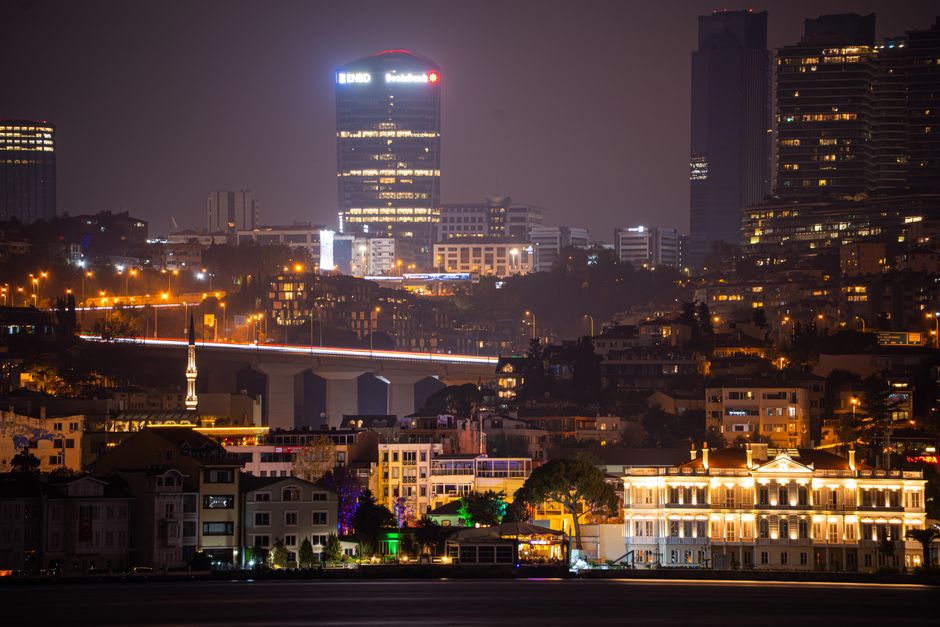
Istanbul
Where to Stay in Istanbul Instead
Istanbul's best neighbourhoods for tourists are all well-connected by tram, metro, or ferry:
- Sultanahmet: The historic heart. Hagia Sophia, Blue Mosque, Topkapi Palace, and the Basilica Cistern are all within walking distance. Excellent for first-time visitors. Hotels range from budget to luxury.
- Beyoglu (Galata/Cihangir area): The most atmospheric area for eating, drinking, and nightlife. Galata Tower, Istiklal Caddesi, and independent galleries and cafes. The streets between Galata and Cihangir have Istanbul's best boutique hotels.
- Kadikoy (Asian side): A revelation for visitors who want to see how Istanbulites actually live. Excellent food market (Kadikoy Produce Market), vibrant cafe scene, and a 20-minute ferry ride from the European side. Cheaper accommodation with genuine local character.
- Besiktas: Between the Bosphorus waterfront and the Dolmabahce Palace. Modern, lively, and popular with young professionals. Excellent restaurants and a great Saturday market (Besiktas Pazari).
- Balat: Colourful, photogenic, and increasingly popular with creative types. The old Jewish and Greek quarter has been gentrifying rapidly, with beautiful restored buildings, quirky cafes, and a unique atmosphere. Accommodation options are growing.
For street-level safety data and neighbourhood ratings, explore our Istanbul neighbourhood guide or check our Istanbul areas-to-avoid page.
Practical Safety Tips for Istanbul
A few practical tips that will make your Istanbul trip smoother and safer:
- Get an Istanbulkart. This rechargeable transport card works on all trams, metros, ferries, and buses. It saves money and avoids queues. Available from machines at any metro station.
- Use BiTaksi or Uber. Both apps work in Istanbul and fix the price before pickup. This eliminates meter tricks and routing scams.
- Carry small change for taxis. If you take a metered taxi, have small denominations ready. Some drivers claim they cannot break large notes and keep the change.
- Dress modestly for mosques. Women need a headscarf and both genders should cover shoulders and knees. The Blue Mosque and Suleymaniye Mosque are free to enter but have dress requirements.
- Learn basic Turkish phrases. "Tesekkurler" (thank you), "Hayir" (no), and "Ne kadar?" (how much?) go a long way. Turkish people respond warmly to visitors who make the effort.
- Eat away from the sights. Restaurants within 100 metres of the Blue Mosque, Hagia Sophia, or the Grand Bazaar are consistently poor value. Walk 5 minutes in any direction for better food at lower prices.
Find the perfect hotel for your trip
Compare prices across thousands of hotels on Expedia. Bundle with flights for extra savings.
Search Hotels on ExpediaWe earn a small commission if you book through this link, at no extra cost to you.
Explore These Destinations
Frequently Asked Questions
Is Istanbul safe for tourists in 2026?
Is the Grand Bazaar safe?
Should I avoid Tarlabasi in Istanbul?
Is the Asian side of Istanbul safe?
What is the biggest scam in Istanbul?
Book tours and experiences worldwide
Skip-the-line tickets, guided tours, and unique experiences in hundreds of cities.
Browse Tours on GetYourGuideWe earn a small commission if you book through this link, at no extra cost to you.