Is Istanbul Safe for Tourists? Neighbourhood Safety Guide (2026)
Comprehensive safety guide for tourists visiting Istanbul in 2026. Covers safe neighbourhoods, scams, solo travel safety, and where to stay for the best experience.
Key Takeaways
- ✓Istanbul is safe for tourists; violent crime against visitors is rare despite the city's size and intensity
- ✓The biggest risks are taxi scams, rigged bar bills, and petty theft in crowded tourist areas
- ✓Sultanahmet (the old city) and Beyoglu (Taksim, Galata, Karakoy) are the safest and most enjoyable areas for visitors
- ✓The European side is where almost all tourist activity happens; the Asian side (Kadikoy, Uskudar) is calmer and cheaper
- ✓Women travelling alone should expect more attention than in Western Europe but will generally feel safe in tourist areas
Istanbul Safety in 2026: The Big Picture
Istanbul is a city of 16 million people straddling two continents, and it can feel overwhelming on first arrival. The intensity, the traffic, the crowds at the Grand Bazaar, the call to prayer echoing across the skyline: it is a sensory experience unlike any European capital. That intensity sometimes gets mistaken for danger.
In reality, Istanbul is a safe city for tourists. The Turkish tourism industry is enormous (over 50 million visitors to Turkey annually), and the government invests heavily in security at tourist sites. Police presence around Sultanahmet, Taksim Square, and the Grand Bazaar is visible and extensive.
Violent crime against tourists is extremely rare. The risks you actually face are financial: taxi drivers running the meter on the long route, restaurants presenting inflated bills, and the notorious rigged bar scam in Beyoglu. Understanding these patterns before you arrive will save you money and frustration.
Istanbul has experienced terror attacks in the past (most recently in 2022 on Istiklal Avenue), which affects some travellers' perceptions. Security has been significantly increased since then, with metal detectors at major tourist sites, metro stations, and shopping malls. The current security posture makes central Istanbul as well-protected as any major European city.
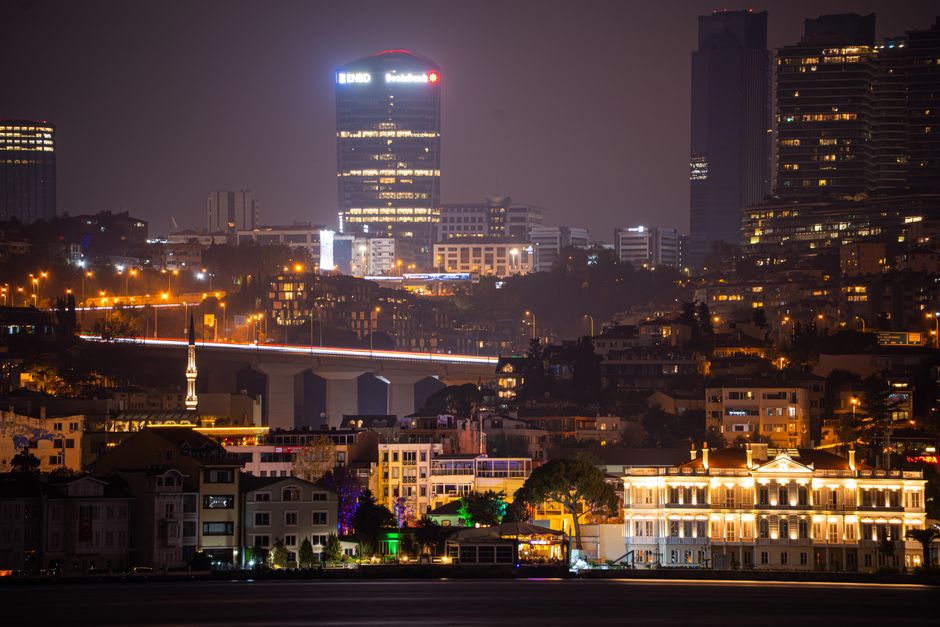
Istanbul
Sultanahmet: The Safest Tourist Base
Sultanahmet is Istanbul's old city, home to the Hagia Sophia, Blue Mosque, Topkapi Palace, and the Basilica Cistern. It is heavily policed, well lit, and filled with tourists at all hours. This is the safest area in Istanbul for visitors.
The streets around the major monuments are clean, well-maintained, and easy to navigate. Hotels range from ultra-budget guesthouses to historic luxury properties. The restaurants immediately around the monuments are overpriced and mediocre (a universal tourist city problem), but walk 5 minutes south towards Kumkapi or north towards Sirkeci and the quality improves dramatically.
The main nuisance in Sultanahmet is the persistent carpet sellers, restaurant touts, and shoe-shiners. A polite "no thank you" (or "hayir, tesekkurler") repeated firmly will handle all of these. The shoe-shiner scam (they drop a brush in front of you, you pick it up, they then insist on shining your shoes and demand payment) is the most common.
Budget: Budget to luxury, with excellent options across all price ranges. Expect 40 to 80 euros for a good mid-range hotel, 80 to 200+ for boutique and luxury options.
Best for: First-time visitors, families, history lovers, and anyone who wants to walk to the major sights.
Beyoglu (Taksim, Galata, Karakoy): Modern Istanbul
Beyoglu is the beating heart of modern Istanbul. Taksim Square, Istiklal Avenue (the famous pedestrian shopping street), the Galata Tower, and Karakoy waterfront are all here. This is where you find Istanbul's best nightlife, contemporary restaurants, rooftop bars, and art galleries.
The area is safe for tourists, with heavy police presence along Istiklal Avenue and around Taksim Square. Galata and Karakoy have gentrified rapidly and are now two of Istanbul's most desirable neighbourhoods, with boutique hotels, specialty coffee shops, and independent design stores.
The risk in Beyoglu is the rigged bar scam, which is the most costly tourist scam in Istanbul. The pattern: a friendly Turkish man (or sometimes woman) strikes up a conversation, suggests going for drinks, and leads you to a specific bar. The bill arrives at several hundred or even thousands of lira, and bouncers ensure you pay. This almost exclusively targets solo male travellers and groups of men. The simple rule is: never go to a bar suggested by a stranger. Choose your own venue.
Budget: Mid-range to high. Galata and Karakoy have become fashionable and pricier. Taksim has more budget options but is busier and noisier. Expect 60 to 150 euros per night for a good hotel.
Best for: Nightlife seekers, foodies, younger travellers, and anyone who wants to experience Istanbul's contemporary culture alongside its history.
Get Weekly Travel Tips
Insider destination guides, deals, and travel tips every week.
No spam. Unsubscribe anytime.
Kadikoy and the Asian Side: Calmer, Cheaper, and Authentic
Most tourists stay on the European side of Istanbul, which means the Asian side (accessed by ferry across the Bosphorus) is often overlooked. This is a missed opportunity. Kadikoy is one of Istanbul's most liveable neighbourhoods: great food markets, independent bars, a more relaxed pace, and significantly lower prices than Sultanahmet or Beyoglu.
The ferry crossing itself is one of Istanbul's best experiences (and costs almost nothing). Kadikoy's market streets are packed with produce, fish, olives, and cheese. The Moda waterfront is a lovely place to walk, and the neighbourhood has a young, progressive energy that feels different from the more conservative tourist areas.
Uskudar, further north on the Asian side, is more residential and traditional. The Maiden's Tower sits just offshore, and the neighbourhood offers a quieter, more local experience. It is well connected to the European side by ferry and the Marmaray metro tunnel.
The trade-off is transport time. Getting from Kadikoy to Sultanahmet takes 30 to 40 minutes by ferry plus walking. If seeing the major sights is your priority, staying on the European side is more convenient. But for a longer trip or a return visit, the Asian side is excellent.
Budget: Budget to mid-range. Significantly cheaper than the European tourist areas. Excellent Airbnb and apartment options from 30 to 80 euros per night.
Best for: Return visitors, foodies, digital nomads, and anyone who wants authentic Istanbul at lower prices.
Areas to Be Cautious About
Most of Istanbul is safe for walking during the day. The areas where tourists should exercise extra caution are:
- Tarlabasi: Immediately behind Istiklal Avenue, this neighbourhood has a troubled reputation with visible poverty, drug use, and occasional street crime. It is being redeveloped but currently feels very different from the polished streets one block away. Avoid walking through, especially at night.
- Dolapdere: Adjacent to Tarlabasi with a similar atmosphere. Some budget hostels are located here due to low rents. Check the exact location before booking.
- Aksaray and Laleli: Between Sultanahmet and the city walls, these areas have a large transient population and feel less comfortable at night. Budget hotels here are cheap but the surroundings are not tourist-friendly.
- Outlying suburbs: Neighbourhoods like Gaziosmanpasa, Esenyurt, and Bagcilar on the far western side have higher crime rates and no tourist attractions. There is no reason to visit them.
For a detailed breakdown, see our Istanbul areas-to-avoid page.
Solo Female Travel in Istanbul
Istanbul is generally safe for solo female travellers, but the experience is different from travelling alone in Scandinavia or Japan. Expect more attention, particularly in tourist areas and the Grand Bazaar. This ranges from friendly conversation to persistent flirting. Most of it is harmless but it can be tiring.
Practical tips for women travelling alone:
- Tourist areas (Sultanahmet, Beyoglu, Kadikoy) are safe and comfortable at all times
- Dress does not need to be conservative in tourist areas, but modest clothing reduces unwanted attention in more traditional neighbourhoods
- Covering shoulders and knees is required when visiting mosques
- Use licensed taxis (yellow) or ride-hailing apps (BiTaksi) rather than accepting rides from people who approach you
- The Grand Bazaar and Spice Market will involve persistent sales approaches; a firm "no" is sufficient
- Avoid Tarlabasi and the back streets behind Istiklal at night
- Trust your instincts. If a conversation feels uncomfortable, walk into a shop or restaurant
Many women travel solo in Istanbul without any problems. The city's energy and hospitality make it a rewarding destination, and the extra attention is a minor trade-off for the experience.
Istanbul
Common Scams and Practical Safety Tips
Istanbul's scams are well documented and easy to avoid once you know the patterns:
- Taxi meter scam: Drivers start the meter on the night rate (gece) during the day, or take a longer route. Use BiTaksi app, confirm the rate is on gunduz (day), and follow your route on Google Maps.
- Rigged bar bill: The most expensive scam. A friendly stranger invites you for drinks; the bill is hundreds of lira and bouncers enforce payment. Never go to a bar suggested by someone you just met.
- Shoe-shiner trick: A shiner drops their brush near you; when you pick it up, they insist on shining your shoes and demand 50+ lira. Do not pick it up; keep walking.
- Restaurant bill padding: Extra items appear on bills at some tourist restaurants. Check the menu prices, confirm what you are ordering, and review the bill before paying.
- Fake tour guides: Unlicensed guides approach at the Hagia Sophia and Blue Mosque. Book tours through your hotel or a reputable agency. Official guides carry ID cards.
For a full breakdown of Istanbul neighbourhoods, explore our Istanbul neighbourhood guide.
Find the perfect hotel for your trip
Compare prices across thousands of hotels on Expedia. Bundle with flights for extra savings.
Search Hotels on ExpediaWe earn a small commission if you book through this link, at no extra cost to you.
Explore These Destinations
Istanbul
Full neighbourhood guide with safety and cost data
Athens
Another historic city bridging Eastern and Western cultures
Marrakech
Similar bazaar culture with different scam dynamics
Cairo
More intense, with comparable tourist challenges
Dubai
A very different but equally popular Middle Eastern destination
Frequently Asked Questions
Is Istanbul safe for tourists in 2026?
Is Istanbul safe for solo female travellers?
What is the safest area to stay in Istanbul?
Is the Grand Bazaar safe?
Should I worry about terrorism in Istanbul?
Book tours and experiences worldwide
Skip-the-line tickets, guided tours, and unique experiences in hundreds of cities.
Browse Tours on GetYourGuideWe earn a small commission if you book through this link, at no extra cost to you.